
Expert Picks For Caulking Service Equipment And Supplies
Select from industry-approved tools and products that help you achieve professional-grade caulking performance.
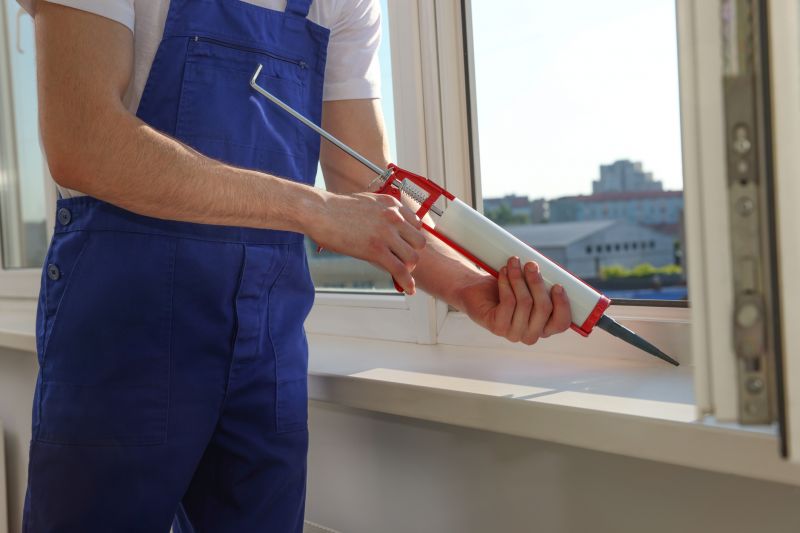 Caulking is an essential maintenance task that helps to seal gaps, prevent water intrusion, and improve the overall appearance of various surfaces. Whether working on windows, doors, bathtubs, or exterior siding, selecting the right products for caulking service can significantly influence the quality and durability of the finished job. A successful caulking project relies not only on the right tools and materials but also on proper preparation and application techniques. Using high-quality caulking compounds and accessories ensures a clean, professional finish and helps maintain the integrity of the seal over time.
Top Overall Option
Multi-Purpose Caulking Gun and Sealant Kit
This versatile kit combines a durable caulking gun with a selection of high-quality sealants suitable for various applications. It offers ease of use, consistent flow, and reliable performance for both interior and exterior projects. The kit is designed to support a wide range of sealing tasks, making it a valuable addition to any toolkit.
Types of Products For Caulking Service
Silicone Sealants
Flexible and waterproof, ideal for bathrooms, kitchens, and exterior applications where movement and moisture resistance are needed.
Polyurethane Sealants
Durable and strong, suitable for large gaps and structural sealing on both interior and exterior surfaces.
Acrylic Latex Caulks
Paintable and easy to apply, often used for indoor sealing around windows and baseboards.
Butyl Rubber Sealants
Excellent for sealing around roofing and flashing, offering good adhesion and weather resistance.
Fire-Resistant Sealants
Designed to withstand high temperatures, suitable for sealing around fireplaces and furnaces.
Foam Sealants
Expanding foam used to fill large gaps and cavities, providing insulation and sealing in one product.
Specialty Sealants for Glass
Formulated to adhere well to glass surfaces, ideal for windows and display cases.
High-Temperature Sealants
Suitable for areas exposed to heat, such as around stoves and ovens.
Marine-Grade Sealants
Resistant to water and UV exposure, used for boats and outdoor marine applications.
Painter’s Caulk
Easy to smooth and paintable, designed for cosmetic finishing around trim and molding.
Popular Choices
Widely used for their flexibility and water resistance, suitable for a variety of surfaces.
Commonly chosen for indoor projects due to ease of application and paintability.
Popular for filling large gaps and insulation purposes in walls and around windows.
Convenient for quick repairs without the need for mixing or additional tools.
Flexible strips used to create airtight and watertight seals on doors and windows.
Designed for sealing around glass surfaces, ensuring clarity and adhesion.
Self-adhesive tapes ideal for quick fixes and temporary sealing tasks.
Used in areas requiring fire safety standards, providing both sealing and fire resistance.
Popular in outdoor and marine environments for their durability and resistance to water.
Preferred for finishing touches around moldings and trim where appearance matters.
The process begins with choosing the appropriate type of caulk for the specific application. Different formulations are designed for interior or exterior use, with variations in flexibility, adhesion, and resistance to elements. Proper surface preparation, including cleaning and drying the area, is crucial for optimal adhesion. Applying the caulk with the right tools, such as caulking guns and finishing tools, can make a noticeable difference in achieving smooth, even lines.
In addition to the caulking compound itself, a variety of accessories are available to enhance the application process. These include sealant removal tools, masking tapes, and smoothing tools that help create a professional-looking finish. Maintaining your tools and selecting the appropriate products for each task can extend their lifespan and improve your results. Whether undertaking a small repair or a large sealing project, understanding the range of available products can help you choose the best options for your needs.
Overall, investing in quality products for caulking service can facilitate efficient work and durable results. Properly selected and applied caulking can prevent costly damage caused by leaks and drafts, contributing to the long-term integrity of your property. With the right knowledge and tools, both DIY enthusiasts and professionals can achieve effective, lasting seals that enhance safety, comfort, and aesthetics.
Key Buying Considerations
- Determine whether the application is interior or exterior to select the appropriate caulk type.
- Consider the flexibility required; some projects need highly elastic sealants to accommodate movement.
- Assess the resistance to water, UV, and weather conditions based on the location of use.
- Check if the caulk is paintable if aesthetic finishing is a priority.
- Evaluate the curing time; some products set quickly while others require longer drying periods.
- Choose the correct nozzle size and type for precise application and control.
- Ensure compatibility with the surfaces involved, such as glass, wood, metal, or plastic.
- Review the product's adhesion properties to ensure it bonds well to the surfaces being sealed.
- Look for products with minimal odor and low VOC content if working indoors.
- Consider the ease of cleanup; some caulks can be easily smoothed with water, others require solvents.
- Check for any specific safety instructions or handling precautions.
- Determine if a specialized product, such as fire-resistant or marine-grade, is necessary for your project.
- Think about the longevity and maintenance requirements of the caulking material.
- Review customer feedback and product ratings to gauge real-world performance.
This content may contain affiliate links. We may earn a commission if you purchase through these links, at no additional cost to you.